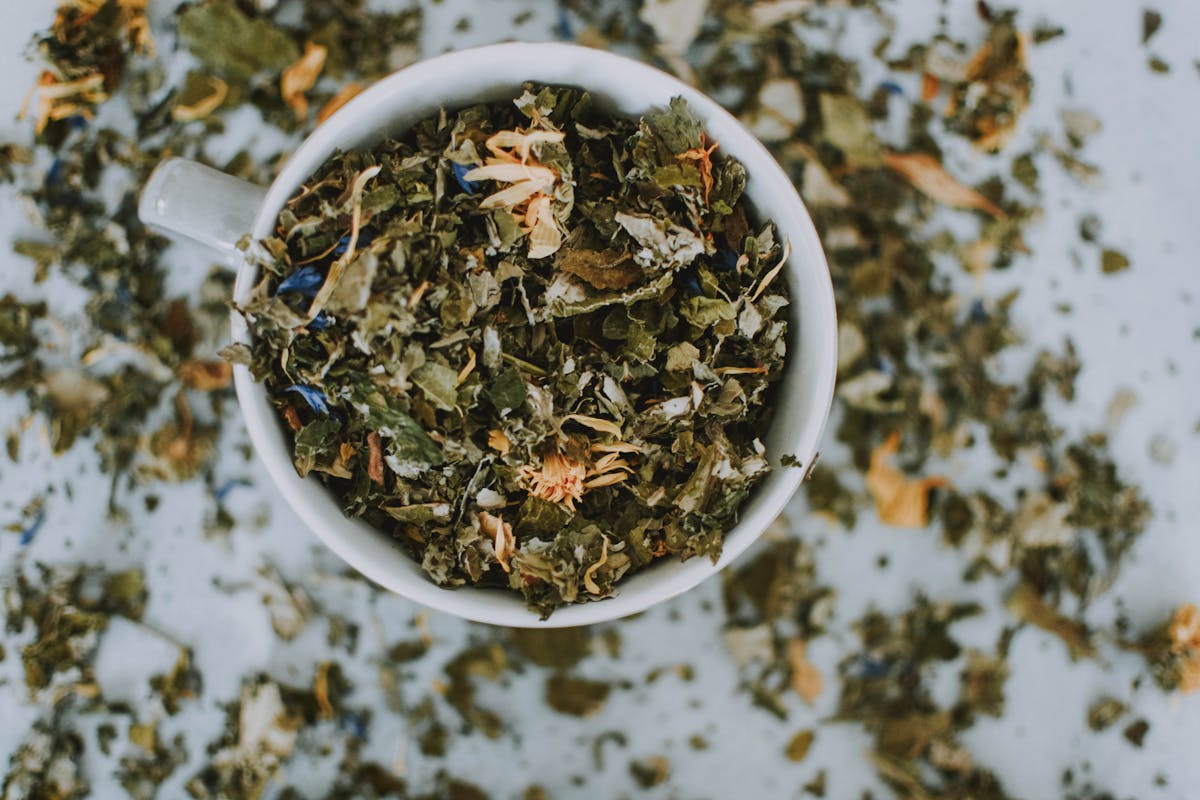
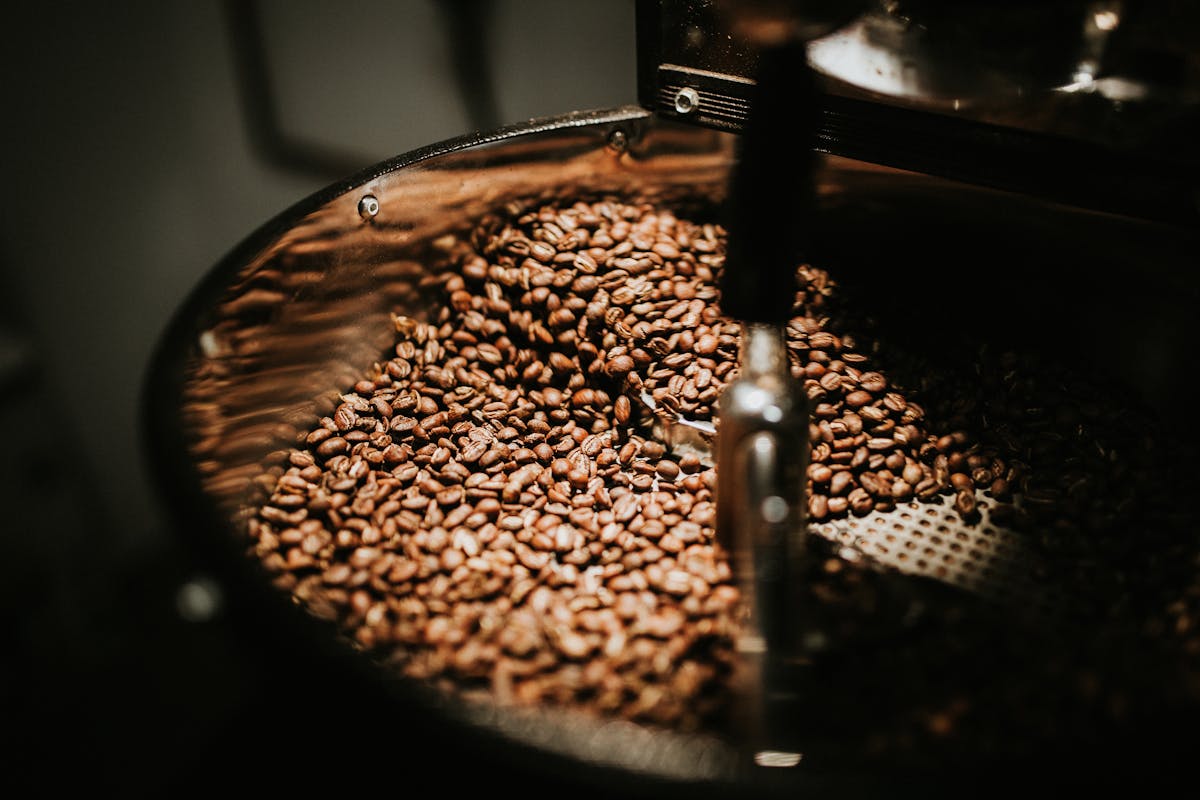
For millions of people around the world, coffee is an essential part of the daily routine. It fuels morning productivity, helps fight fatigue, and has become deeply embedded in modern work culture. However, traditional coffee isn't perfect. Many people experience side effects such as jitters, anxiety, digestive discomfort, or the dreaded afternoon energy crash.
In recent years, a new alternative has gained massive popularity among wellness enthusiasts, entrepreneurs, and productivity seekers: mushroom coffee.
Despite what the name suggests, mushroom coffee does not taste like mushrooms. Instead, it combines traditional coffee with powdered extracts from functional mushrooms — medicinal mushrooms known for their potential benefits for brain health, immune support, and sustained energy.
By blending coffee with ingredients like Lion's Mane, Chaga, Reishi, or Cordyceps, mushroom coffee offers a more balanced way to enjoy caffeine while supporting focus, resilience to stress, and overall well-being.

What Is Mushroom Coffee?
Mushroom coffee is a beverage made by combining traditional coffee beans with extracts of medicinal or functional mushrooms. These mushrooms are not the same as culinary mushrooms used in cooking. Instead, they belong to a category of fungi that have been used for centuries in traditional Chinese medicine and herbal wellness practices.
Functional mushrooms are known for their potential to support:
- Cognitive function
- Immune health
- Stress resilience
- Sustained energy levels
In most mushroom coffee blends, the mushrooms are dried, extracted, and turned into fine powders that are mixed with ground coffee. This means that mushroom coffee still tastes like coffee, but it may offer additional wellness benefits. Most mushroom coffee products contain a combination of coffee beans, mushroom extracts, adaptogenic compounds, and antioxidants.
Because of this combination, many people describe mushroom coffee as providing smoother energy and improved mental clarity compared to traditional coffee.
The History of Functional Mushrooms
Although mushroom coffee is trending today, the use of medicinal mushrooms is far from new. Functional mushrooms have been used for thousands of years in traditional medicine systems across Asia and Eastern Europe. Ancient cultures used these mushrooms to support vitality, longevity, and immune function.
- Chaga mushrooms have been used in Siberian herbal traditions for centuries
- Lion's Mane mushrooms were used by Buddhist monks to enhance focus during meditation
- Reishi mushrooms were historically referred to as the "mushroom of immortality" in Chinese medicine
Modern research has begun to explore these mushrooms for their potential neuroprotective, anti-inflammatory, and immune-supporting properties. Today, functional mushrooms are being incorporated into modern wellness products, including supplements, powders, teas, and coffee blends.
How Mushroom Coffee Works in the Body
To understand why mushroom coffee has become so popular, it helps to understand how the ingredients interact with the body. Traditional coffee primarily works through caffeine, which stimulates the central nervous system and increases alertness. However, caffeine can also trigger side effects such as increased heart rate, nervousness, anxiety, and energy crashes.
Functional mushrooms work differently. Many of these mushrooms are considered adaptogens, which means they may help the body adapt to stress and maintain balance. When combined with coffee, the mushrooms may help moderate the effects of caffeine while supporting other aspects of health.
"The combination of caffeine and functional mushrooms creates a beverage that supports alertness without the same intensity of overstimulation — a smoother, more sustainable kind of energy."

Key Ingredients Found in Mushroom Coffee
Lion's Mane Mushroom
Lion's Mane is one of the most popular mushrooms used in nootropic supplements and functional beverages. It is known for its potential ability to support brain health and cognitive performance. Research suggests Lion's Mane may help stimulate the production of nerve growth factor (NGF), a protein involved in the growth and maintenance of neurons.
Potential benefits include improved focus, mental clarity, memory support, and cognitive resilience. Because of these effects, Lion's Mane is often referred to as a "brain-boosting mushroom."
Chaga Mushroom
Chaga mushrooms grow primarily on birch trees in cold climates and are known for their high antioxidant content. Antioxidants help protect the body from oxidative stress and free radical damage. Chaga may support immune system function, inflammation balance, and overall wellness. Many wellness enthusiasts include Chaga in their routine for its immune-supporting properties.
Cordyceps Mushroom
Cordyceps mushrooms have traditionally been used to support energy and stamina. They may help support cellular energy production by influencing how the body uses oxygen and ATP. For athletes and active individuals, Cordyceps may support endurance, physical performance, and oxygen utilization. When included in coffee blends, Cordyceps may help provide a cleaner energy boost.
Reishi Mushroom
Reishi mushrooms are widely known as a calming adaptogen. They have traditionally been used to support stress management, relaxation, and immune balance. While not every mushroom coffee includes Reishi, it is often used in functional mushroom blends designed for overall wellness.
7 Benefits of Mushroom Coffee
1. Sustained Energy Without the Crash
Traditional coffee can cause rapid spikes in energy followed by sudden drops later in the day. Mushroom coffee blends often contain less caffeine and additional adaptogenic compounds that may promote more balanced energy levels.
2. Improved Focus and Mental Clarity
Thanks to ingredients like Lion's Mane, mushroom coffee may support cognitive performance and concentration. Many people report improved mental clarity during work or creative tasks.
3. Reduced Caffeine Jitters
Because mushroom coffee typically contains less caffeine than regular coffee, it may reduce common side effects such as jitters, nervousness, and racing thoughts.
4. Antioxidant Support
Functional mushrooms like Chaga contain high levels of antioxidants. These compounds may help protect cells from oxidative stress.
5. Immune System Support
Some functional mushrooms have been studied for their potential role in supporting immune health. Compounds such as beta-glucans found in mushrooms may help support immune function.
6. Better Stress Resilience
Adaptogenic mushrooms may help the body respond more effectively to physical and mental stress. This can be especially helpful for people dealing with demanding work schedules or high stress levels.
7. A Healthier Coffee Alternative
For people who enjoy coffee but want a more balanced approach to caffeine, mushroom coffee offers a modern alternative to traditional coffee consumption.

Mushroom Coffee vs Regular Coffee
| Feature | Mushroom Coffee | Regular Coffee |
|---|---|---|
| Caffeine level | Usually lower | Higher |
| Energy effect | Smoother, sustained | Quick spike and crash |
| Focus support | Enhanced with Lion's Mane | Short-term stimulation |
| Antioxidants | High from mushrooms | Moderate |
| Jitters | Less common | More common |
Both beverages have benefits, but mushroom coffee may provide a more balanced experience for people sensitive to caffeine.
Who Should Try Mushroom Coffee?
Mushroom coffee can be a good option for people looking to improve their daily energy routine. It may be particularly helpful for entrepreneurs and business professionals, remote workers, students, creatives, people sensitive to caffeine, and wellness enthusiasts. Anyone looking for focus and productivity without the typical caffeine crash may benefit from trying mushroom coffee.
How to Choose a High-Quality Mushroom Coffee
Not all mushroom coffee products are created equal. Here are a few things to look for when choosing a blend.
- Mushroom extracts over raw powder — extracts are more concentrated and bioavailable
- Named functional species — look for Lion's Mane, Chaga, Cordyceps, and Reishi
- Transparent ingredient lists — brands should clearly list sourcing and extraction methods
- Smooth taste — good mushroom coffee should still taste like coffee
Frequently Asked Questions
Does mushroom coffee taste like mushrooms?
No. Most mushroom coffee blends taste very similar to traditional coffee because the mushroom extracts are mild and blended with coffee beans.
Does mushroom coffee contain caffeine?
Yes, but usually less than regular coffee depending on the blend.
Is mushroom coffee safe to drink daily?
For most healthy adults, mushroom coffee can be consumed daily. However, people with medical conditions should consult a healthcare professional.
Can mushroom coffee improve focus?
Some mushrooms, such as Lion's Mane, are studied for their potential cognitive benefits, which may support focus and mental clarity.
Mushroom coffee represents an exciting shift in how people think about their daily energy routine. By combining traditional coffee with powerful functional mushrooms, it offers a way to enjoy the ritual of coffee while potentially supporting mental clarity, immune health, and balanced energy levels.